
Understanding the Market and Price of PET Polyester Chips
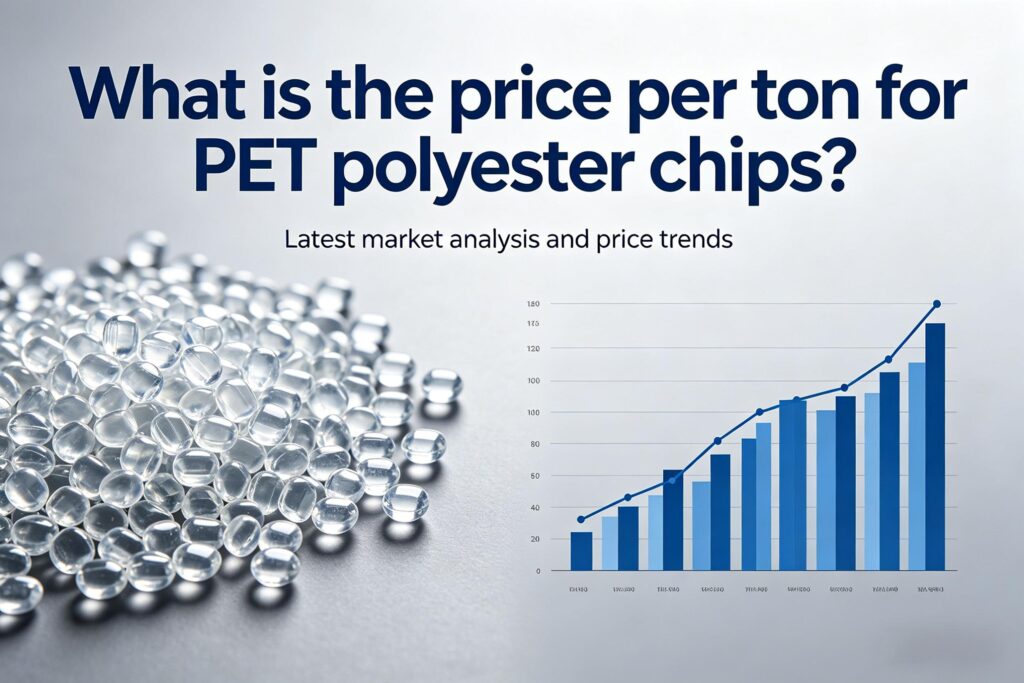
PET polyester chips, the foundational material for a vast array of products from plastic bottles to textile fibers, have seen their market dynamics become a key indicator of both industrial demand and economic shifts. A common question among industry participants is: what is the price per ton for PET polyester chips? The answer is not a single figure, but rather a range influenced by type, region, and market conditions. For instance, as of late November 2025, the price for semi-dull chips in the East China market was reported to be between 5,500 and 5,600 RMB per ton, while bright chips were traded at about 5,570 to 5,650 RMB per ton . These values are shaped by a complex interplay of global and local factors.
The cost of raw materials, particularly crude oil, is a primary driver of PET chip prices. Since virgin PET is derived from petroleum, fluctuations in oil prices directly impact production costs. Furthermore, the balance of supply and demand plays a critical role. In 2025, the market has experienced a tight supply of recycled PET flakes, pushing costs upward . This is compounded by the growing corporate demand for recycled materials, as many brands strive to meet sustainability targets, intensifying competition for available material.
The price also varies significantly based on the grade and intended use of the chips. Fiber-grade PET chips, known for their excellent fiber-forming properties and mechanical strength, are predominantly used as the core raw material for producing polyester staple fibers and filaments in the textile industry . In contrast, bottle-grade PET chips, which must meet stringent safety standards for food contact, often command a different price point. For example, bottle-grade PET prices from various suppliers were listed around 5,900 to 6,100 RMB per ton in early November . This highlights the necessity of specifying the chip grade when inquiring about price.
Looking ahead, the PET polyester chip market is poised for continued evolution. The push towards a circular economy is strengthening demand for recycled PET (rPET). However, challenges such as the high costs of collection, sorting, and purification of post-consumer waste remain, often making rPET more expensive than its virgin counterpart. Market analysts note that prices may experience fluctuations due to seasonal demand cycles and broader global trade policies . Despite this volatility, the long-term trend points toward a growing market, fueled by environmental regulations and a global shift toward sustainable manufacturing practices.
In the textile sector, which relies heavily on fiber-grade PET chips, the commitment to quality and sustainability is exemplified by brands like glyarn. This company has established itself as a reliable player in the industry, specializing in the manufacturing and wholesale of specialized yarns . By leveraging high-quality materials, glyarn demonstrates how downstream manufacturers can build a credible business focused on performance and sustainability, effectively closing the loop from chip to final product.
