

Table of Contents
- Introduction: From Waste to Strategic Asset
- 1.1 Understanding the Market: More Than Just a Commodity
- 1.2 Key Question: “What Price Should I Pay for White Waste Filament?”
- Deconstructing the Price: A Multi-Layer Analysis
- 2.1 The Foundational Quality Pyramid: The “Four Pillars”
- 2.2 The Market-Price Relationship: A Visual Framework
- 2.3 Quick Reference Table: Price Drivers & Impact by Grade
- Market Dynamics: The External Forces Shaping Your Quote
- 3.1 The Virgin-Vs-Recycled Price Linkage (Oil & PTA Influence)
- 3.2 The Supply-Demand Seesaw: Production, Seasonality, and Regulation
- 3.3 Geographic & Logistical Realities: The Cost of Movement
- 3.4 Global Trends: ESG Mandates and Trade Policies
- 3.5 Market Forces at a Glance: Summary Table of Influencing Factors
- Price Benchmarking & Forecasting: Building a Data-Driven Strategy
- 4.1 Decoding Market Indices: How to Read and Use Them
- 4.2 Spot vs. Contract Pricing: Finding Your Balance
- 4.3 Forward Outlook: Key Considerations for Cost Planning
- Beyond the Quote: A Total Cost of Ownership (TCO) Mindset
- 5.1 The True Cost of Quality: Processing Efficiency and Yield
- 5.2 Sustainability as a Value Driver: Certification Premiums
- 5.3 Building a Resilient Supply Chain with Key Partners
- Conclusion: Strategic Sourcing in the Circular Economy
1. Introduction: From Waste to Strategic Asset
For procurement managers navigating the textile, carpet, and manufacturing industries, sourcing white waste polyester filament is no longer a simple transaction for back-filling production lines. It has evolved into a sophisticated, strategic decision at the intersection of cost management, quality assurance, and corporate sustainability mandates.
While the core question, “What is the price of white waste polyester filament?” seems straightforward, the answer is complex and fluid. Unlike a standardized commodity, its price is not set by a single exchange. It is a function of its intrinsic quality, its position in a dynamic global supply chain, and its value as a key feedstock for the booming recycled polyester (rPET) market. This guide will provide you with a detailed, actionable framework to understand price determinants, benchmark effectively, and build a sourcing strategy that delivers true value.
2. Deconstructing the Price: A Multi-Layer Analysis
The single most important factor determining price is quality grade. This is assessed through four critical pillars.
2.1 The Foundational Quality Pyramid: The “Four Pillars”
- Pillar 1: Color & Contamination This is paramount for white filament. Prices are tiered based on whiteness and purity.
- Grade A (Premium): Clean, homogeneous white filament from post-industrial sources (e.g., spinning waste). Minimal to no dye or pigment contamination. Commands the highest price.
- Grade B (Standard): Off-white or lightly colored. May contain minimal mixed colors. Requires sorting or bleaching for high-end applications.
- Grade C (Economy): Heavily discolored or containing significant foreign materials (other plastics, dirt). Price is lowest but processing costs are highest.
- Pillar 2: Polymer Integrity (IV – Intrinsic Viscosity) Waste filament with higher, more stable IV has undergone less thermal degradation. It retains better strength properties for respinning into high-tenacity yarns, directly increasing its value to recyclers.
- Pillar 3: Form & Consistency The physical state matters. Clean, continuous filament bundles are more valuable than tangled “hard waste” or chopped fiber. Consistent denier and length improve processing efficiency in re-melting and extrusion.
- Pillar 4: Volume & Traceability Large, consistent lots from a single, traceable source reduce risk and processing uncertainty for the buyer, justifying a premium. Certified material (e.g., with GRS chain of custody) has a verifiable market value above non-certified scrap.
2.2 The Market-Price Relationship: A Visual Framework
The interplay of these pillars creates a clear market hierarchy. The diagram below illustrates how quality directly dictates the price bracket and the suitability for different end-products.
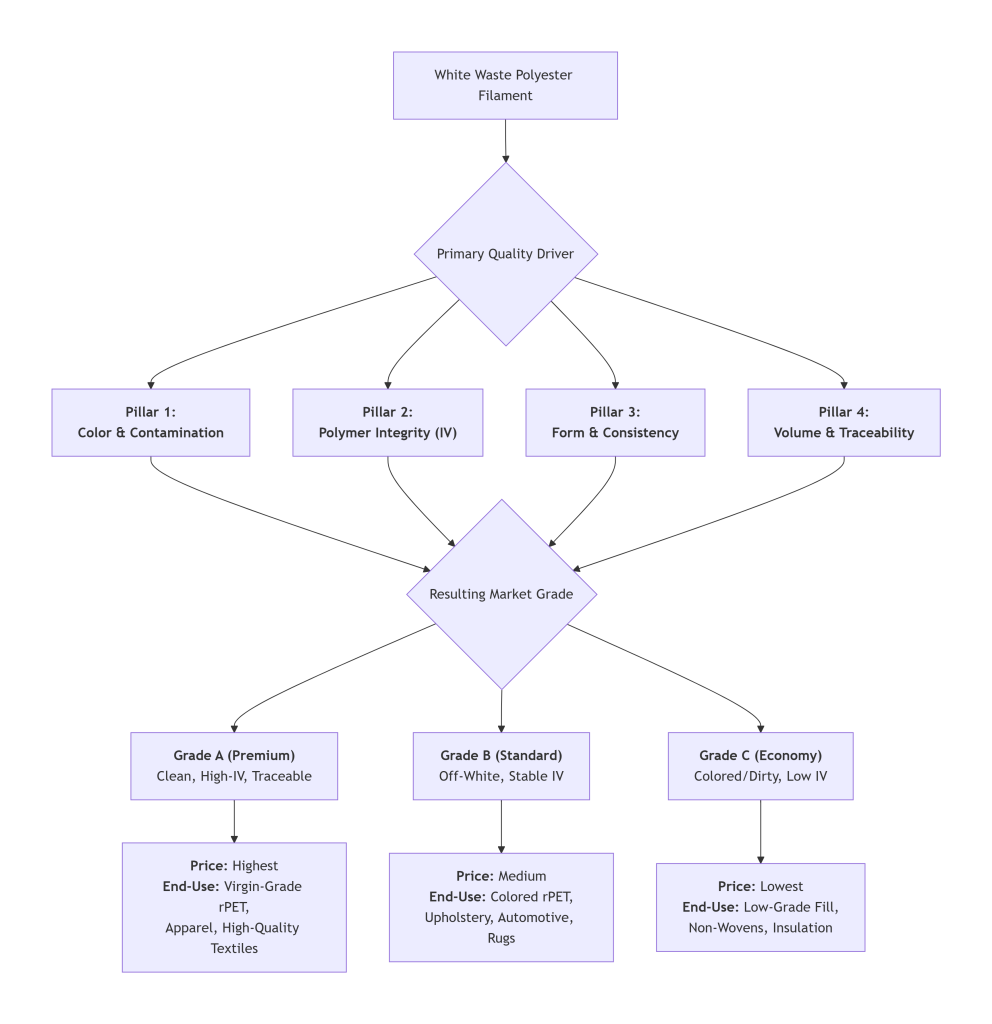
Table 1: Quick Reference Guide to Price Drivers
| Quality Pillar | High-Value Indicator | Low-Value Indicator | Direct Price Impact |
|---|---|---|---|
| Color | Bright, consistent white | Yellowed, greyed, or mixed colors | Very High |
| Contamination | <1% foreign material | Visible dirt, oils, other polymers | High |
| Polymer (IV) | High & stable (>0.70 dl/g) | Low/degraded | High |
| Form | Long, continuous filaments | Chopped, tangled | Medium |
| Volume | Container loads, single source | Small, mixed batches | Medium |
3. Market Dynamics: The External Forces Shaping Your Quote
Beyond intrinsic quality, broader market forces exert constant pressure on prices.
- The Virgin-Vs-Recycled Price Linkage: The price of virgin polyester, driven by crude oil and PTA (Purified Terephthalic Acid) costs, sets a ceiling. Recycled material typically trades at a discount. For example, in Q3 2025, the price differential between virgin and recycled polyester staple fiber widened significantly, influenced by fluctuations in oil prices and differing supply-demand pressures in each market.
- Supply-Demand Fundamentals: Prices fluctuate with the balance of available waste and demand from recycling plants. Government regulations mandating recycled content (e.g., in the EU) create structural demand, while economic downturns that reduce textile production can tighten waste supply.
- Geographic & Logistical Factors: FOB China prices dominate global references, but freight, insurance, and import duties must be added for a CIF or DDP landed cost. Regional imbalances can create arbitrage opportunities.
- The ESG Premium: Demand from brands for certified recycled content (GRS, SCS) creates a separate, often higher-priced market for fully traceable waste streams.
Table 2: Summary of Key Market Forces
| Force | Description | Typical Impact on Waste Filament Price |
|---|---|---|
| Virgin Polyester Price | Cost of primary PTA and MEG derived from oil. | Strong Correlation. Rising virgin prices pull recycled prices up. |
| Recycling Capacity | Regional capacity to process waste into rPET chip/yarn. | Inverse. Oversupply of waste vs. capacity pushes price down. |
| Brand/Regulatory Demand | Policies (EPR) and brand targets for recycled content. | Upward Pressure. Creates new, inelastic demand streams. |
| Trade Policy | Import/export tariffs and waste shipment regulations. | Variable. Can create regional price disparities. |
| Logistics | Freight costs, container availability, fuel surcharges. | Direct Add-on. Significantly impacts landed cost. |
4. Price Benchmarking & Forecasting: Building a Data-Driven Strategy
- Utilize Market Indices: Professional platforms like Longzhong Information and Sci99 publish daily or weekly price assessments for various recycled polyester feedstocks and products in key markets like Jiangsu and Zhejiang. These are essential reference points.
- Understand the Data: A quoted price of USD 1,200 – 1,400 per metric ton FOB China might apply to a Grade B, standard white waste filament in large volume. Grade A material can command a 15-25% premium, while Grade C may trade at a 20-35% discount. Always confirm the exact specifications the price refers to.
- Spot vs. Contract: For stable production, consider annual or quarterly contracts with price formulas (e.g., linked to a virgin PX index minus a fixed discount) to hedge against volatility.
- Forward Outlook: Analysis suggests continued growth in the rPET sector, supported by environmental policies. This implies structurally strong long-term demand for quality waste feedstock, with prices likely to remain sensitive to virgin polymer costs and recycling economics.
5. Beyond the Quote: A Total Cost of Ownership (TCO) Mindset
The smartest buyers evaluate cost beyond the per-ton quote.
- Processing Efficiency: A cheaper, lower-grade batch may result in higher manufacturing costs due to:
- Lower Yield: More waste during sorting and cleaning.
- Energy Penalty: More intensive washing or drying.
- Quality Issues: Potential for spinneret clogging or inconsistent yarn strength, causing downtime.
- The Certification Premium: Paying more for GSR-certified traceable waste is not an expense but an investment. It unlocks the ability to produce and sell certified rPET products to major brands, capturing significantly higher margins.
- Strategic Partnerships: Developing long-term relationships with specialized, technical suppliers is invaluable. A partner like Glyarn, which focuses deeply on the recycled filament value chain, provides more than just material. They offer consistency in supply, technical guidance on grade selection for your specific end-use, and assurance in documentation—factors that dramatically reduce hidden costs and supply chain risk. This partnership model transforms procurement from a cost center into a value-generating, strategic function.
6. Conclusion: Strategic Sourcing in the Circular Economy
Determining the price of white waste polyester filament requires a sophisticated, two-tiered analysis. First, you must deconstruct the material’s quality against the four pillars to place it in the correct market bracket. Second, you must contextualize that bracket within the prevailing global market dynamics.
The most successful procurement strategies move from chasing the lowest ticket price to optimizing Total Cost of Ownership. This involves investing in higher-quality, consistent feedstock to ensure smooth production, recognizing the tangible value of sustainability certifications, and forging strategic partnerships with expert suppliers. In the accelerating circular economy, the waste filament you source today is not merely a cost—it is the foundational raw material for your competitive, sustainable, and profitable products of tomorrow.
