
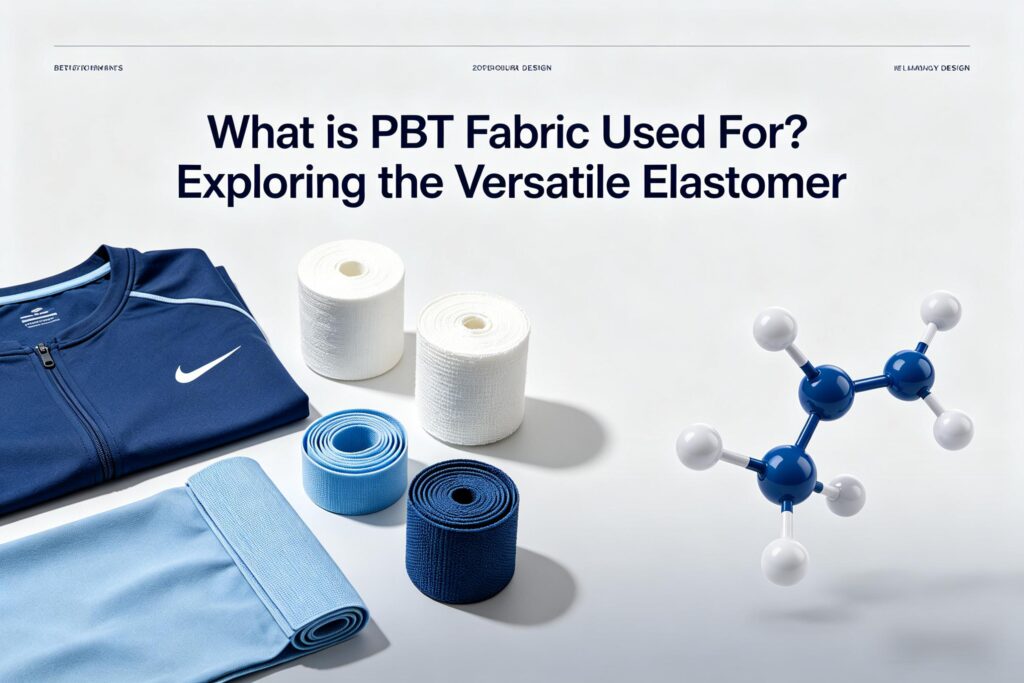
PBT, or Polybutylene Terephthalate, is a specialized polyester that has carved out a unique and essential niche in the textile industry. While its cousin, PET (Polyethylene Terephthalate), is the workhorse of common polyester fabrics, PBT is prized for its unique elastic recovery and resilience. Often described as a “high-performance elastomer,” PBT fabric is not a single, specific end-product but a key material that enhances functionality across a wide range of applications. Its uses are directly tied to its exceptional properties, which include excellent stretch and recovery, chlorine resistance, softness, and dyeability.
The primary and most prominent use of PBT fabric is in the swimwear and activewear industry. This is where its properties shine brightest. Unlike regular polyester, which can degrade and lose its color when exposed to chlorine in swimming pools or salt water, PBT is highly chlorine-resistant. A swimsuit made with PBT yarn will maintain its elasticity and vibrant color far longer than one made from conventional materials. Furthermore, its inherent stretch and superb recovery—meaning it can return to its original shape after being stretched—ensure that swimwear provides a comfortable, snug, and supportive fit that doesn’t become baggy over time. This same elasticity and softness make it an ideal choice for high-quality activewear, such as yoga pants and athletic tops, where freedom of movement and comfort are paramount.
Beyond the realm of sport, PBT fabric has become a cornerstone of comfort-driven apparel. Its luxuriously soft hand feel, often compared to that of natural fibers, makes it a popular choice for everyday garments where comfort is key. You will find PBT blended with other fibers in:
- Underwear and intimate apparel: For its stretch, softness, and ability to retain its shape wash after wash.
- Socks: Particularly in the cuff and body, PBT provides lasting elasticity that prevents the socks from sagging, enhancing both comfort and durability.
- Fleece and velour fabrics: PBT is used to create a stretchy, exceptionally soft, and plush pile that is highly resistant to pilling, making it perfect for luxurious loungewear, hoodies, and baby clothing.
In the domain of technical and industrial textiles, PBT’s chemical resistance and durability are highly valued. It is used in applications that demand reliability under harsh conditions. For instance, PBT can be found in:
- Outdoor and UV-resistant fabrics: Its inherent resistance to ultraviolet degradation makes it suitable for awnings, patio furniture, and outdoor covers that must withstand prolonged sun exposure.
- Industrial scouring pads and brushes: The fiber’s resilience and resistance to chemicals and abrasion make it a durable material for industrial cleaning tools.
- Medical textiles: While subject to strict regulations, PBT’s stability and hypoallergenic potential make it a candidate for certain elastic components in medical textiles.
In conclusion, PBT fabric is a versatile and high-performance material whose uses are extensive and growing. It is the go-to choice whenever a combination of elasticity, durable softness, chemical resistance, and colorfastness is required. From ensuring a swimsuit survives a season of chlorinated pools to providing the comfortable stretch in your favorite pair of socks, PBT fabric works behind the scenes to enhance the functionality, comfort, and longevity of a vast array of textile products. Its role is not to replace standard polyester, but to complement it by solving specific performance challenges that other materials cannot.
