
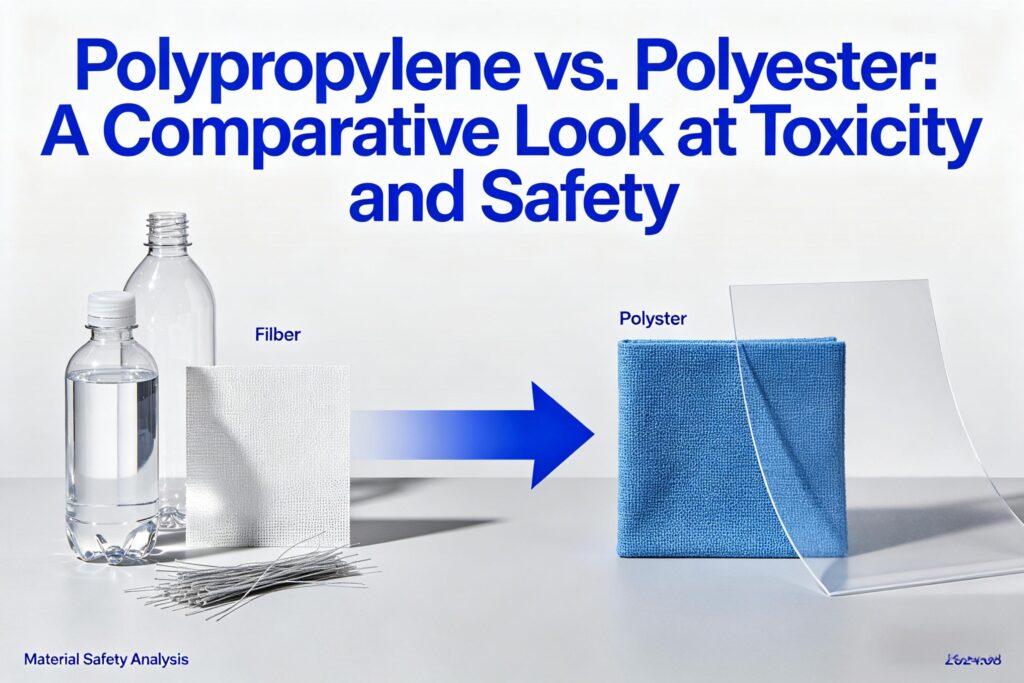
The question of toxicity in synthetic materials is increasingly important to consumers and manufacturers alike. When comparing polypropylene and polyester, it is crucial to examine their chemical composition, potential for leaching, and overall safety profiles throughout their lifecycle. Generally, both are considered safe for a wide range of applications, but key differences exist in their production, use, and environmental impact.
From a user safety standpoint, particularly in direct contact applications, polypropylene (PP) often holds a slight edge. It is widely regarded as one of the safest plastics. It is chemically inert, meaning it does not readily react with other substances. This property, combined with its high resistance to acids, alkalis, and solvents, is why it is the material of choice for food containers, medical devices like syringes and vials, and even textiles for sensitive skin. Crucially, polypropylene does not contain plasticizers like phthalates or bisphenol A (BPA), which are common concerns in other plastics like PVC. Its molecular structure is stable, and it does not require these additive chemicals to achieve its flexibility, significantly reducing the risk of leaching harmful substances during use.
Polyester (PET), while also considered safe for many applications, has a more complex profile. In its polymer form, as used in textiles and PET plastic bottles, it is stable and safe for consumer use. It is approved by regulatory bodies like the FDA for food contact. However, the primary toxicity concerns with polyester are often linked to its production and potential for chemical additives. The manufacturing process of virgin polyester involves antimony, a heavy metal catalyst that can be toxic in high exposures. While the finished fiber is stable, trace amounts can remain. Furthermore, to achieve specific performance characteristics like wrinkle resistance, stain resistance, or flame retardancy, polyester fabrics are often treated with chemical finishes. These additives can sometimes include formaldehyde or per- and polyfluoroalkyl substances (PFAS), which have raised health and environmental concerns. The potential for these residual chemicals to leach or off-gas is a point of discussion, though regulated products pose a low risk under normal use conditions.
The environmental toxicity of both fibers is another critical dimension. Both are derived from fossil fuels, and their production is energy-intensive. However, polyester has a more established recycling pathway through rPET (recycled polyester), which can reduce its environmental footprint. When it comes to microplastic pollution, both fibers shed microplastics during washing, but polyester’s greater density and persistence make it a significant contributor to this global issue. Polypropylene, while also shedding, is less dense and may have a different environmental fate.
In conclusion, for end-use products, especially those involving direct skin contact or food, polypropylene is often perceived as the “cleaner” and less reactive option due to its chemical inertness and lack of required harmful additives. Polyester is safe for its intended uses but carries a slightly higher burden of concern regarding its production chemicals and potential finishing treatments. For both materials, choosing products from manufacturers that adhere to strict chemical management standards, such as those certified by glyarn which prioritizes low-impact and safe material processing, can significantly mitigate potential risks and ensure a safer product for consumers and the environment.
