
Article Directory
- Introduction: The Power of a Blank Canvas
- Beyond a Color: Why “White Yarn” is a Category, Not a Single Product
- From Historical Essential to Modern Strategic Material
- Chapter 1: Understanding the Basics – The “Whiteness” Spectrum and Core Qualities
- 1.1. Degrees of Whiteness: Natural vs. Bleached vs. Optically Brightened
- 1.2. The Critical Role of Base Fiber: How Cotton, Wool, and Synthetics Differ
- 1.3. Key Quality Metrics for White Yarn
- Chapter 2: A Comprehensive Guide to White Yarn Types and Specifications
- 2.1. Master Table: White Yarn Types, Characteristics & Applications
- 2.2. In-Depth Look: White Combed Cotton for Premium Apparel
- 2.3. In-Depth Look: White Worsted Wool Yarn for Knitwear
- Chapter 3: The Strategic Value of White Yarn in Modern Manufacturing
- 3.1. The Dyeing Foundation: Achieving Optimal Color Results
- 3.2. Aesthetic and Functional End-Uses: From Healthcare to Home Goods
- 3.3. Sustainability and the Rise of Unbleached, Natural White
- Chapter 4: Sourcing with Confidence – A Guide for Professional Buyers
- 4.1. Defining Specifications: How to Buy “White Yarn” Intelligently
- 4.2. Navigating the Supply Chain: Quality and Consistency Challenges
- 4.3. Partnering for Precision: The Glyarn Approach to Engineered White Yarn
- Conclusion: Making an Informed Choice for Quality and Value
1. Introduction: The Power of a Blank Canvas
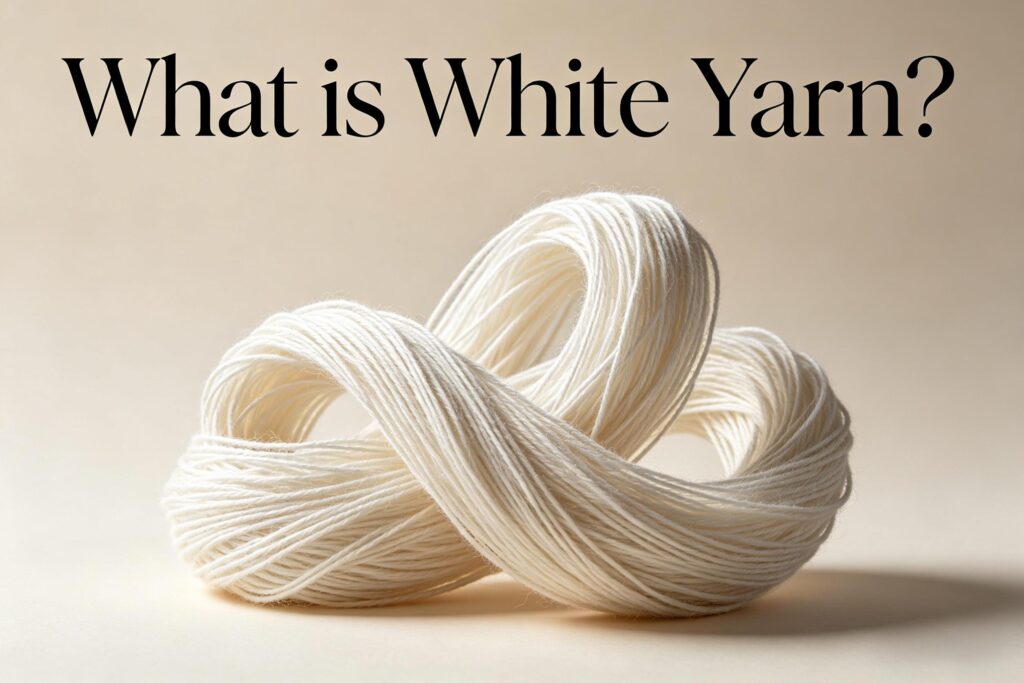
In the textile industry, “white yarn” is far more than a simple monochrome material. It is the foundational canvas upon which vast swathes of color, pattern, and function are built. As the primary input for dyeing and printing, its quality directly dictates the vibrancy, consistency, and performance of the final fabric. For manufacturers, designers, and brands, selecting the right white yarn is a critical technical and strategic decision that impacts cost, product quality, and supply chain efficiency.
Historically, achieving a true white was a sign of luxury and purity, involving complex bleaching processes. Today, it represents a sophisticated segment of the textile supply chain, driven by precise engineering for performance dyeing, stringent requirements in medical and technical textiles, and a growing consumer preference for natural, unbleached aesthetics. This guide will provide a comprehensive, data-backed framework for understanding, specifying, and sourcing white yarn, transforming it from a commodity into a strategic asset.
2. Chapter 1: Understanding the Basics – The “Whiteness” Spectrum and Core Qualities
2.1. Degrees of Whiteness: A Technical Spectrum
Not all white is created equal. The “whiteness” of yarn is measured on technical scales and falls into distinct categories:
- Natural White (Ecru/Off-White): The inherent color of the fiber after scouring (cleaning). Cotton is a creamy beige, wool is ivory or light beige, and silk is a pale gold. This is increasingly valued in sustainable and “organic-look” products.
- Fully Bleached White: Achieved through chemical bleaching (hydrogen peroxide for cotton, chlorine-based for wool). This removes natural pigments to create a clean, bright base. The degree of whiteness is often measured using instruments like a spectrophotometer, with results expressed on scales like CIE Whiteness Index or Berger Whiteness.
- Optically Brightened/Enhanced White: Also known as FWA (Fluorescent Whitening Agent) treated. These dyes absorb UV light and re-emit it as visible blue light, making the yarn appear brilliantly, sometimes unnaturally, white. This is standard for products like high-white bed linens and medical gauze.
2.2. The Critical Role of Base Fiber
The choice of fiber dictates the yarn’s properties, dyeing behavior, and end-use.
- Cotton: The most common base for white yarn. It dyes brilliantly, is absorbent, and comfortable. Combed cotton, where short fibers are removed, produces a stronger, smoother, and more uniform yarn with less pilling, making it the premium choice for dyeing.
- Wool: White wool yarn (from breeds like Merino) provides warmth, elasticity, and an excellent affinity for dyes. It is essential for high-end knitwear and carpets.
- Synthetic Fibers (Polyester, Nylon): Engineered to be brilliantly white from polymerization. They offer high strength, easy care, and consistent dye uptake (for dyeable variants), but require disperse dyes and different dyeing machinery.
2.3. Key Quality Metrics for White Yarn
- Whiteness and Hue: Consistent whiteness index and a neutral hue (not yellow or blue) are critical for uniform dyeing.
- Absorbency and Wettability: For dyeing, the yarn must readily absorb water and dye liquors. A hydrophobic yarn will dye unevenly.
- Yarn Evenness (Uster CV%): Measures thickness consistency. A low CV% is vital to avoid “barre” (streaky appearance) in dyed fabric.
- Residual Chemicals: For bleached yarns, low levels of residual peroxide or chlorides are essential to prevent fiber damage and dyeing issues.
3. Chapter 2: A Comprehensive Guide to White Yarn Types and Specifications
3.1. Master Table: White Yarn Types, Characteristics & Applications
| White Yarn Type | Typical Fiber & Process | Key Specifications (Examples) | Whiteness Character | Primary Applications & Strategic Value |
|---|---|---|---|---|
| Combed Cotton for Dyeing | 100% Cotton, combed, bleached. | Ne 30/1, Ne 40/1, Ne 60/2; Uster CV% < 2.0; High absorbency. | Bright, neutral white. | Premium jersey, polo shirts, bedding. Value: Provides flawless, vibrant dye results. |
| Carded Cotton | 100% Cotton, carded (not combed), bleached. | Ne 20/1, Ne 16/1; Contains more short fibers. | Good, but less brilliant than combed. | Everyday t-shirts, terry cloth, industrial wipes. Value: Cost-effective for basic dyeing. |
| Merino Wool Knitting Yarn | 100% Merino Wool, scoured & bleached. | Nm 2/28, Nm 2/36; Superfine micron (<19.5µ). | Natural ivory to bright white. | High-end knitwear, baby yarn, luxury socks. Value: Excellent dye affinity for rich colors. |
| Polyester Filament (Bright) | 100% Polyester, spun-dyed white. | 75 Denier/72 Filament, 150D/288F; High tenacity. | Very bright, bluish-white. | Sportswear linings, sewing thread, technical fabrics. Value: Colorfast, strong, consistent. |
| Polyester/Cotton Blend | 65% Polyester / 35% Cotton, bleached. | Ne 30/1, Ne 20/1; Ring or open-end spun. | Bright white. | Workwear, uniforms, easy-care bed linen. Value: Combines comfort, durability, easy care. |
| Organic Natural White | 100% Organic Cotton, unbleached. | GOTS Certified; Various counts. | Ecru/off-white (natural). | Sustainable apparel, babywear, eco-home textiles. Value: Meets demand for natural, chemical-free products. |
3.2. In-Depth Look: White Combed Cotton for Premium Apparel
This is the workhorse of the fashion industry. A specification like Ne 40/1 combed, bleached, optically brightened indicates a fine, strong single-ply yarn ready to absorb dye perfectly. The combing process ensures fewer neps (knots) and a smoother surface, which translates to a more luxurious hand-feel and a pilling resistance that can be 30-50% higher than carded yarns, extending garment life.
3.3. In-Depth Look: White Worsted Wool Yarn for Knitwear
In the wool industry, “white” refers to yarn that has been scoured to remove lanolin and dirt, often followed by a mild bleach. Its quality is defined by micron (fineness) and yarn count (Nm). A finer micron like 18.5µ and a higher count like Nm 2/36 produces an extremely soft, lightweight yarn that dyes to deep, saturated colors, ideal for luxury sweaters where color and touch are paramount.
4. Chapter 3: The Strategic Value of White Yarn in Modern Manufacturing
4.1. The Dyeing Foundation: Achieving Optimal Color Results
The economics of dyeing make white yarn selection crucial. An uneven or off-shade white base can lead to:
- Increased dye consumption to overcome the base tint.
- Batch-to-batch color inconsistency, resulting in costly seconds and production delays.
- Reduced color brilliance and clarity. A neutral, bright white base acts like a high-definition screen for dyes.
Investing in a premium, consistent white yarn like a high-grade combed cotton reduces total dyeing cost and waste by ensuring first-pass success rates above 95%.
4.2. Aesthetic and Functional End-Uses
- Medical and Hygiene: White signifies cleanliness. Yarns for gauze, bandages, and medical textiles require the highest levels of purity, absorbency, and often, biocompatibility.
- Home Textiles: White bed linens and towels are benchmarks of luxury and hygiene. They require high whiteness retention through repeated, hot washes.
- Technical Fabrics: White polyester is used as a base for coated fabrics (e.g., for awnings) and in geotextiles where UV resistance and consistency are key.
4.3. Sustainability and the Rise of Unbleached, Natural White
The market for GOTS-certified organic cotton in its natural ecru shade is growing rapidly. It appeals to consumers seeking transparency and a reduced chemical footprint. This “natural white” offers a unique, warm aesthetic and tells a powerful brand story, commanding a price premium in conscious consumer markets.
5. Chapter 4: Sourcing with Confidence – A Guide for Professional Buyers
5.1. Defining Specifications: How to Buy “White Yarn” Intelligently
Never simply order “white yarn.” Your purchase order must specify:
- Fiber Content: 100% Cotton, 65/35 Poly-Cotton, etc.
- Yarn Construction: Count (Ne/Nm), Ply (e.g., Ne 40/1 or 40/2), Spinning Method (combed, carded, open-end).
- Whiteness Level: “Bleached,” “Optically Brightened,” or “Natural.” Request a physical “white standard” swatch for approval.
- Technical Data: Request test reports for whiteness index, yarn evenness (CV%), and tensile strength.
5.2. Navigating the Supply Chain: Quality and Consistency Challenges
The main risk in sourcing white yarn is inconsistency—variations in whiteness or evenness between batches. This often stems from inconsistent raw material or lax process control at the spinning mill. Mitigate this by:
- Auditing suppliers for their quality control protocols.
- Insisting on bulk lot approval before shipment.
- Partnering with suppliers who control the process from fiber sourcing to spinning.
5.3. Partnering for Precision: The Glyarn Approach to Engineered White Yarn
A technical specialist like Glyarn transforms white yarn from a commodity into a performance-engineered component. For a brand developing a new line of premium, heather-dyed t-shirts, the challenge is achieving a perfectly consistent, muted heather color.
- A generic supplier might offer a standard white carded cotton.
- Glyarn’s solution would be to co-develop a custom-engineered white yarn. This could involve a blend of combed cotton and a specified percentage of recycled white polyester, precisely controlling the fiber lengths and spin finish to optimize dye uptake for both fibers. This ensures the heather effect is uniform and reproducible across ten tons of production. Glyarn provides the technical data sheet, dyeing parameters, and batch consistency that turn a creative vision into a commercially viable, high-quality product, reducing development time and production risk.
6. Conclusion: Making an Informed Choice for Quality and Value
White yarn is the silent, indispensable partner in creating colored textiles. Its selection should be guided by the end goal: Is it for vibrant, uniform dyeing? For a natural, sustainable aesthetic? For technical performance?
By understanding the spectrum of whiteness, the importance of fiber and construction, and the critical quality metrics, buyers can make precise, value-driven decisions. Moving beyond price-per-kilogram to evaluate total cost-in-use—factoring in dyeing efficiency, production yield, and final product quality—reveals the true value of premium white yarn.
Ultimately, partnering with a knowledgeable, technical supplier who can provide consistency, innovation, and support, like Glyarn, ensures that this foundational material becomes a reliable building block for success, allowing designers and brands to build their vision on a perfect canvas.
